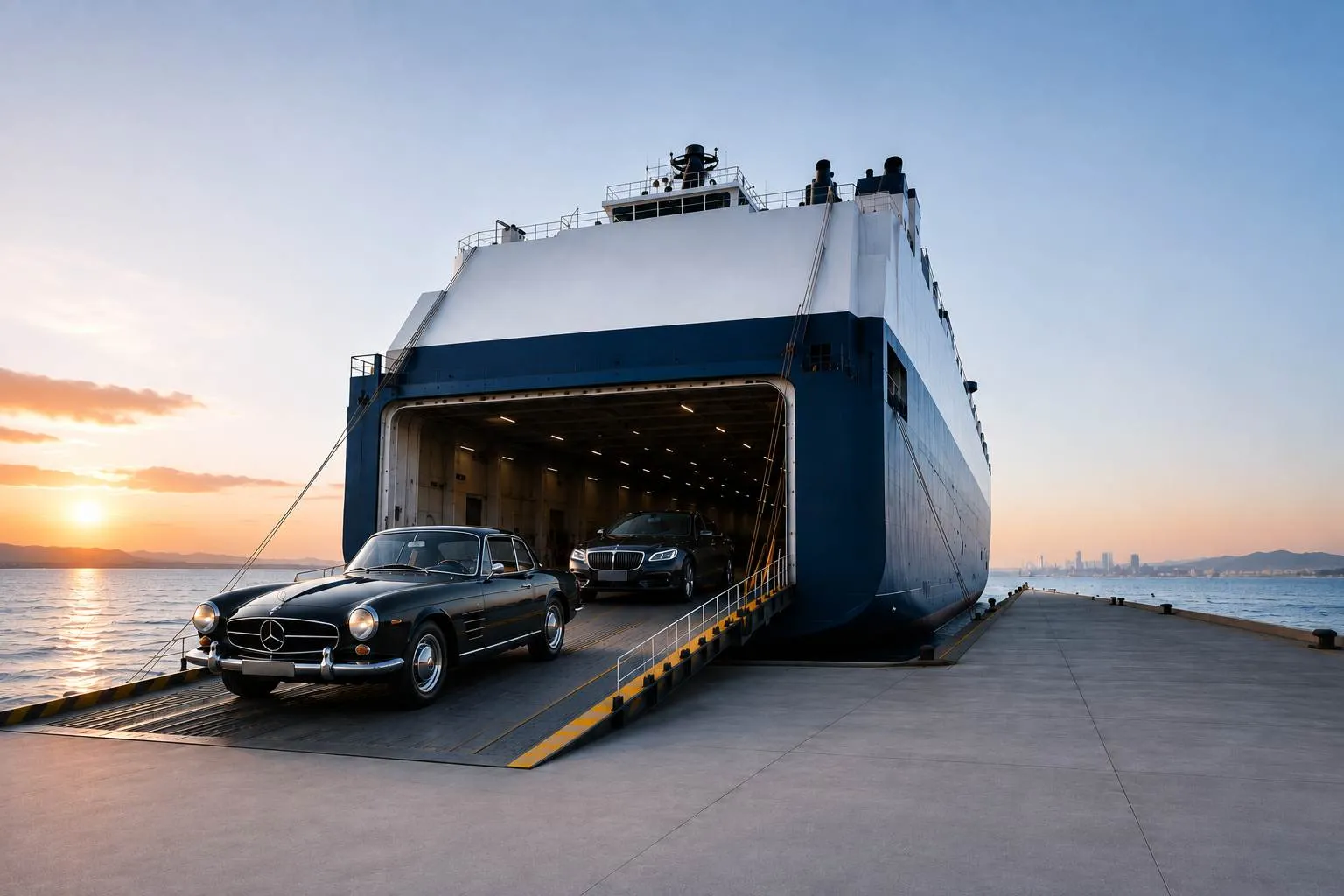
Is Ro-Ro Shipping Safe for Luxury and Classic Cars?
The global market for luxury automobiles, exotic hypercars, and vintage classic vehicles operates on a foundation of absolute precision. Whether facilitating an international auction transfer, relocating a private collection, or managing corporate automotive distribution, moving high-value assets across global supply chains presents unique logistical challenges. When evaluating transoceanic transport methodologies, stakeholders and logistics managers frequently question the risk profiles associated with different maritime architectures. A prevailing and critical inquiry is: is Ro-Ro shipping safe for luxury and classic cars?
To address this concern, one must dissect the engineering of modern maritime vessels, the operational protocols of cargo handling, and the distinct physical vulnerabilities of high-value automobiles. This comprehensive analysis evaluates how specialized transport methodologies protect prestige vehicles during international transit.
The Unique Demands of High-Value Vehicle Transport
Standard commercial automobiles are engineered to withstand substantial environmental wear and operational stress. In contrast, luxury and vintage vehicles possess structural and mechanical sensitivities that require specialized handling.
Classic cars often feature original, irreplaceable body panels, delicate paint formulations, and antiquated suspension systems that cannot tolerate aggressive mechanical securing. Exotic sports cars and modern hypercars present a different set of challenges, primarily involving exceptionally low ground clearances, carbon-fiber aerodynamics, and highly sensitive electronic chassis controls. Consequently, the chosen maritime transport protocol must mitigate the risk of structural compression, eliminate exposure to caustic environmental elements, and bypass handling methods that require brute mechanical lifting.
How Ro-Ro Vessels Protect Specialized Cargo
When utilizing a modern maritime fleet, Roll-on/Roll-off transport offers several distinct structural and operational advantages that directly address the vulnerabilities of luxury and classic vehicles.
Fully Enclosed Deck Infrastructure
A common misconception regarding maritime vehicle transport is that cars are exposed to the open ocean elements. This is factually incorrect for modern Roll-on/Roll-off vessels. These ships function as massive, floating, climate-managed garages. Once a luxury or vintage vehicle is driven aboard, it is stowed within a fully enclosed steel superstructure. This architectural design completely isolates the highly valuable cargo from ultraviolet degradation, atmospheric moisture, corrosive saltwater spray, and extreme temperature fluctuations during the oceanic voyage.
The Drive-On/Drive-Off Protocol
The most significant risk vector in any logistics operation is the terminal handling phase. Containerized shipping necessitates the use of heavy industrial port cranes and forklifts to hoist the cargo into the air and lower it into a steel box. This vertical lifting introduces the risk of catastrophic drops, sway damage, and structural stress on the vehicle's chassis.
Understanding the mechanics of Ro-Ro shipping reveals that it entirely bypasses this risk. Vehicles are simply driven via shallow-angle ramps directly into the vessel. For low-clearance exotics, specialized extended ramps are utilized to ensure the undercarriage never makes contact with the deck infrastructure. This horizontal, drive-on methodology represents the lowest-impact loading protocol available in international maritime logistics.
Advanced Lashing and Securing Systems
Securing a multimillion-dollar classic car requires a vastly different approach than securing a standard commercial truck. Within the enclosed decks, professional stevedores employ specialized lashing techniques. Instead of wrapping abrasive chains over delicate axles, operators utilize soft-tie nylon straps that secure the vehicle by its tires or dedicated factory transport points. This allows the vehicle to float naturally on its own suspension system, absorbing the dynamic rolling and pitching of the vessel without transferring stress to the chassis or delicate bodywork.
Ro-Ro vs. Container for Luxury Cars: An Objective Look
While Ro-Ro presents undeniable safety advantages regarding loading and environmental isolation, supply chain managers in automotive logistics must objectively compare it against containerized transport.
Container shipping offers the distinct advantage of absolute isolation. A high-value vehicle can be sealed within a private 20-foot container, obscuring it from view and allowing for the inclusion of irreplaceable spare parts or documentation within the same shipment. However, the internal bracing required inside a container—often involving wooden blocking and complex strapping in a very confined space—poses a high risk of incidental cosmetic damage if executed improperly by terminal staff.
Roll-on/Roll-off eliminates the confined-space risk and the dangers of crane lifting. While the vehicle shares a deck with other cargo, access is strictly limited to authorized maritime personnel, maintaining a highly secure environment. Ultimately, if the primary objective is to avoid mechanical lifting and ensure natural suspension resting, Ro-Ro is exceptionally safe and operationally superior.
Preparing a Classic or Luxury Car for Maritime Transit
To maximize safety protocols, logistics coordinators must ensure that high-value vehicles are rigorously prepared before arriving at the departure terminal. Preparatory compliance includes:
- Detailed Condition Reports: Conducting comprehensive, high-resolution photographic inspections of the vehicle’s exterior, interior, and undercarriage to establish a definitive baseline condition.
- Fluid Management: Classic cars are notoriously prone to fluid leaks. All mechanical systems must be inspected, and fuel levels must be strictly reduced to a quarter tank to adhere to fire safety regulations.
- Battery Disconnection: For vintage cars with sensitive electrical architectures, disconnecting the battery (or utilizing an isolator switch) prevents complete discharge and mitigates electrical fire risks during transit.
- Alarm Deactivation: Modern luxury vehicles are equipped with hyper-sensitive motion alarms. These must be deactivated via the vehicle's software to prevent the ship's natural movement from continuously triggering the sirens.
- Removing Aftermarket Additions: Any non-permanent exterior modifications, such as custom hood ornaments or fragile aerodynamic appendages, should be carefully removed and shipped separately.
The Importance of Marine Insurance for High-Value Assets
Even with the most advanced vessel engineering and rigorous handling protocols, transoceanic shipping inherently involves variables beyond human control, such as severe meteorological events. Standard carrier liability is dictated by international maritime law and provides only fractional financial coverage based on cargo weight, which is entirely insufficient for prestige vehicles.
Therefore, securing specialized, comprehensive All-Risk marine insurance is a mandatory operational requirement. Valuations for vintage or exotic vehicles should be formally appraised and documented prior to shipment to ensure the policy accurately reflects the current market replacement value. Reviewing operational Terms & Conditions prior to booking ensures full transparency regarding liability limitations and the absolute necessity of supplemental risk coverage.
Ensuring Secure Global Transit for Prestige Vehicles
Is Roll-on/Roll-off transport safe for luxury and classic cars? When managed by specialized maritime operators, the answer is definitively yes. By eliminating the structural risks associated with crane lifting, providing absolute environmental protection within enclosed decks, and utilizing soft-tie lashing protocols, this methodology offers a highly secure, low-impact solution for moving the world's most valuable automobiles.
Successfully navigating the international transfer of high-value rolling stock requires partnering with a logistics provider capable of delivering flawless execution. By utilizing comprehensive UGR Lines services, commercial shippers and private collectors gain access to the specialized infrastructure required for prestige vehicle transport. For a customized logistical assessment and a secure transit strategy tailored to your high-value assets, please Contact Us to consult with our specialized freight division.