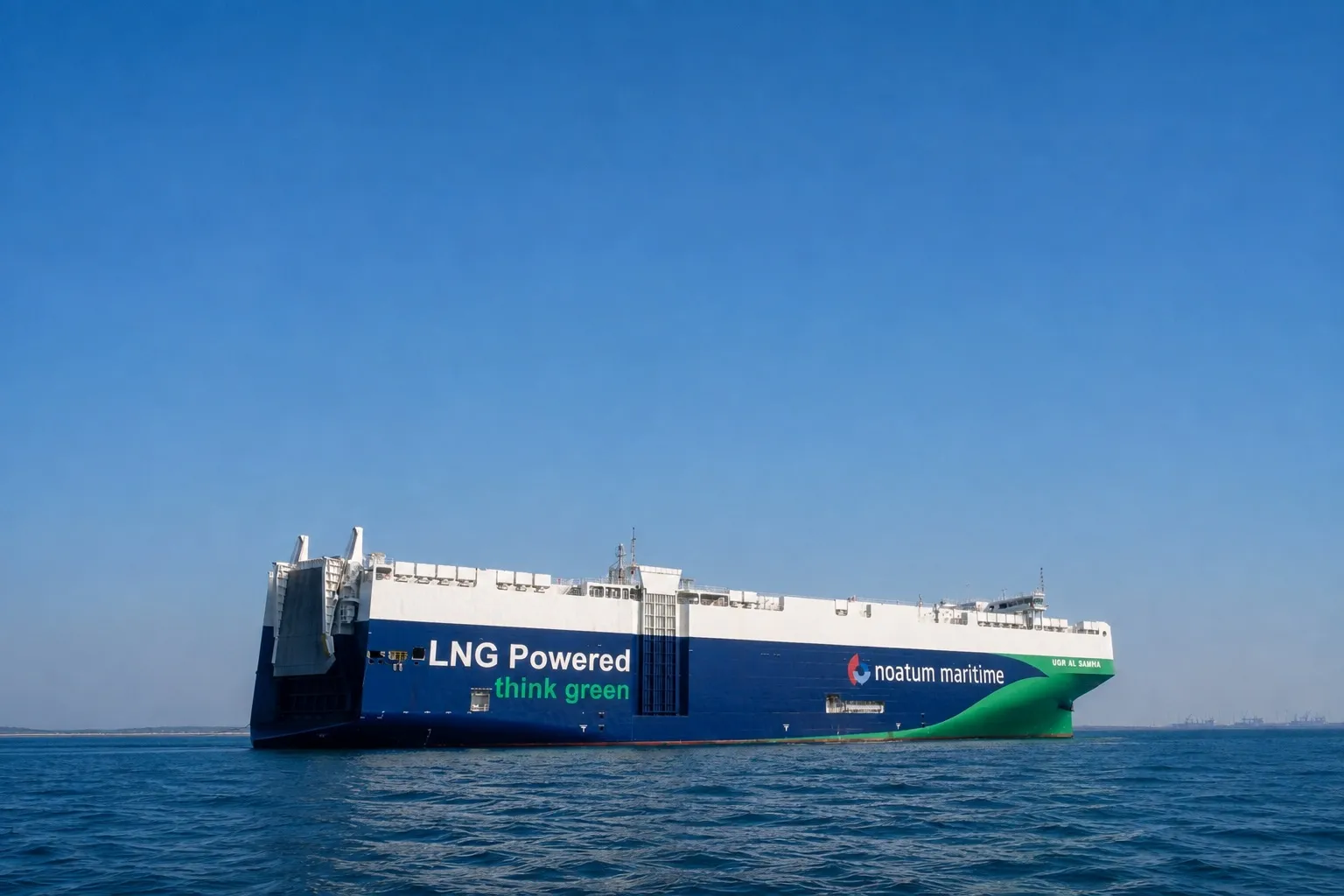
Green Shipping and LNG-Powered Vessels: Sustainability in the RoRo Sector
Green shipping has moved from a marketing talking point to an operational necessity across the maritime industry, and the RoRo sector is no exception. Tightening international emissions regulation, rising fuel costs, and growing pressure from manufacturers with their own environmental commitments have pushed shipowners to rethink how vessels are powered, built, and operated. For a sector built around moving vehicles and heavy machinery at scale, the transition toward sustainable shipping is reshaping fleet investment decisions that will define the industry for decades.
Why Sustainability Is Becoming Central to RoRo Shipping
The push toward green shipping in the RoRo sector is being driven by three converging forces. First, international regulatory bodies have progressively tightened sulfur and carbon emissions limits for ocean-going vessels, making continued reliance on conventional heavy fuel oil increasingly costly and, in some regions, restricted outright. Second, ports themselves are introducing emissions-based incentives and penalties, rewarding cleaner vessels with priority berthing and lower fees while charging premiums to older, higher-emission tonnage. Third, automotive manufacturers and industrial exporters are extending their own sustainability targets down the supply chain, increasingly factoring a carrier's environmental profile into vendor selection alongside price and schedule reliability.
Together, these pressures mean that eco friendly shipping is no longer a differentiator reserved for a handful of forward-looking operators — it is quickly becoming a baseline expectation for any carrier competing on major RoRo trade lanes.
What Makes a Vessel “Green”?
A vessel earns the label of sustainable shipping through a combination of design and operational factors rather than any single feature. Propulsion is the most significant of these: LNG-powered engines burn substantially cleaner than traditional heavy fuel oil, cutting sulfur oxide emissions dramatically and reducing particulate matter and nitrogen oxide output as well. Alongside propulsion, modern green vessels typically incorporate hull designs optimized for fuel efficiency, waste heat recovery systems that capture and reuse energy generated during operation, and advanced ballast water treatment systems that limit environmental impact in port.
Shore power capability — the ability to plug into a port's electrical grid rather than running auxiliary engines while docked — has also become a standard feature on newbuild RoRo tonnage, further reducing emissions during the loading and discharge process. No single one of these elements defines a green vessel in isolation; it is the combination that determines a ship's overall environmental footprint.
Reducing CO2 Emissions Without Compromising Capacity
One of the central engineering challenges in green shipping has been reducing carbon emissions without sacrificing the cargo capacity that makes RoRo transport commercially viable. Early skepticism around LNG propulsion centered on concerns that the larger fuel storage tanks required for LNG would eat into deck space otherwise used for vehicles. Modern vessel design has largely resolved this tension: LNG tank placement has been optimized to minimize the impact on usable deck area, and the fuel efficiency gains from cleaner-burning engines partially offset the marginal space trade-off.
As a result, today's LNG-powered RoRo vessels carry vehicle volumes comparable to their conventionally fueled counterparts while emitting significantly less CO2 per unit transported — a balance that has made LNG the leading choice for shipowners renewing their fleets with sustainability in mind.
How Green Vessels Support the Far East–Middle East–Europe Network
The Far East–Middle East–Europe network is among the busiest and most closely watched corridors in global RoRo trade, and it is here that green logistics solutions are having their most visible impact. Ports along this network, particularly in Europe and parts of the Middle East, have introduced stricter emissions zones and cleaner-vessel incentives, making LNG-powered tonnage increasingly advantageous for carriers operating these routes. A vessel that qualifies for reduced port fees or priority berthing across every stop on a long-haul rotation gains a measurable operational advantage over one that does not.
For exporters moving vehicles or machinery along this network, choosing a carrier with a modern, LNG-capable fleet increasingly translates into more predictable transit times and fewer disruptions tied to emissions-related port restrictions. Shippers researching the logistics of a specific shipment — for example, what to expect when arranging vehicle shipping on this corridor, or the practical timelines involved in car shipping overseas — will find that vessel sustainability is increasingly part of that planning conversation.
What’s Next for Sustainable RoRo Shipping?
LNG propulsion is widely regarded as a transitional technology rather than a final destination. Shipbuilders and research consortiums are actively developing methanol-fueled engines, ammonia propulsion systems, and hybrid battery-assisted designs intended to push emissions even lower over the coming decade. Regulatory bodies are expected to continue tightening emissions thresholds in stages, which will progressively phase out older, high-emission tonnage and accelerate fleet renewal across the industry.
For manufacturers and exporters, the practical takeaway is that sustainable shipping solutions will only become more central to carrier selection over time, not less. Working with a carrier that is actively investing in cleaner tonnage today is the most reliable way to avoid disruption as regulations tighten further. UGR Lines continues to expand its LNG-capable fleet to serve the world's busiest RoRo corridors responsibly and efficiently. To learn more about our sustainability initiatives or to discuss green shipping options for your next shipment, please contact our team directly.