
What Is PDI (Pre-Delivery Inspection) and Why Does It Matter in Vehicle Delivery?
A vehicle's journey from the production line to the showroom floor does not end the moment it rolls off a ship. Between discharge at the destination port and handover to a dealer or end customer lies one of the most important quality checkpoints in the entire automotive supply chain: pre delivery inspection. Commonly shortened to PDI, this process verifies that every vehicle arrives in the condition the manufacturer intended — mechanically sound, cosmetically flawless, and ready to drive.
For manufacturers and importers moving finished vehicles via roro shipping, PDI is the final safeguard that protects brand reputation, customer satisfaction, and the commercial value of every unit delivered. This guide explains what PDI involves, why it matters, and how it reduces delays, damage claims, and costs across the delivery process.
What Is Pre-Delivery Inspection (PDI) in Vehicle Logistics?
In simple terms, the PDI meaning refers to a structured, multi-point inspection carried out on a new vehicle before it is released to a dealer or customer. A manufacturer conducts its own quality control at the factory, but a vehicle may then travel thousands of nautical miles, pass through several terminals, and spend weeks in transit and storage before reaching its final market. Pre delivery inspection confirms that nothing has changed along the way.
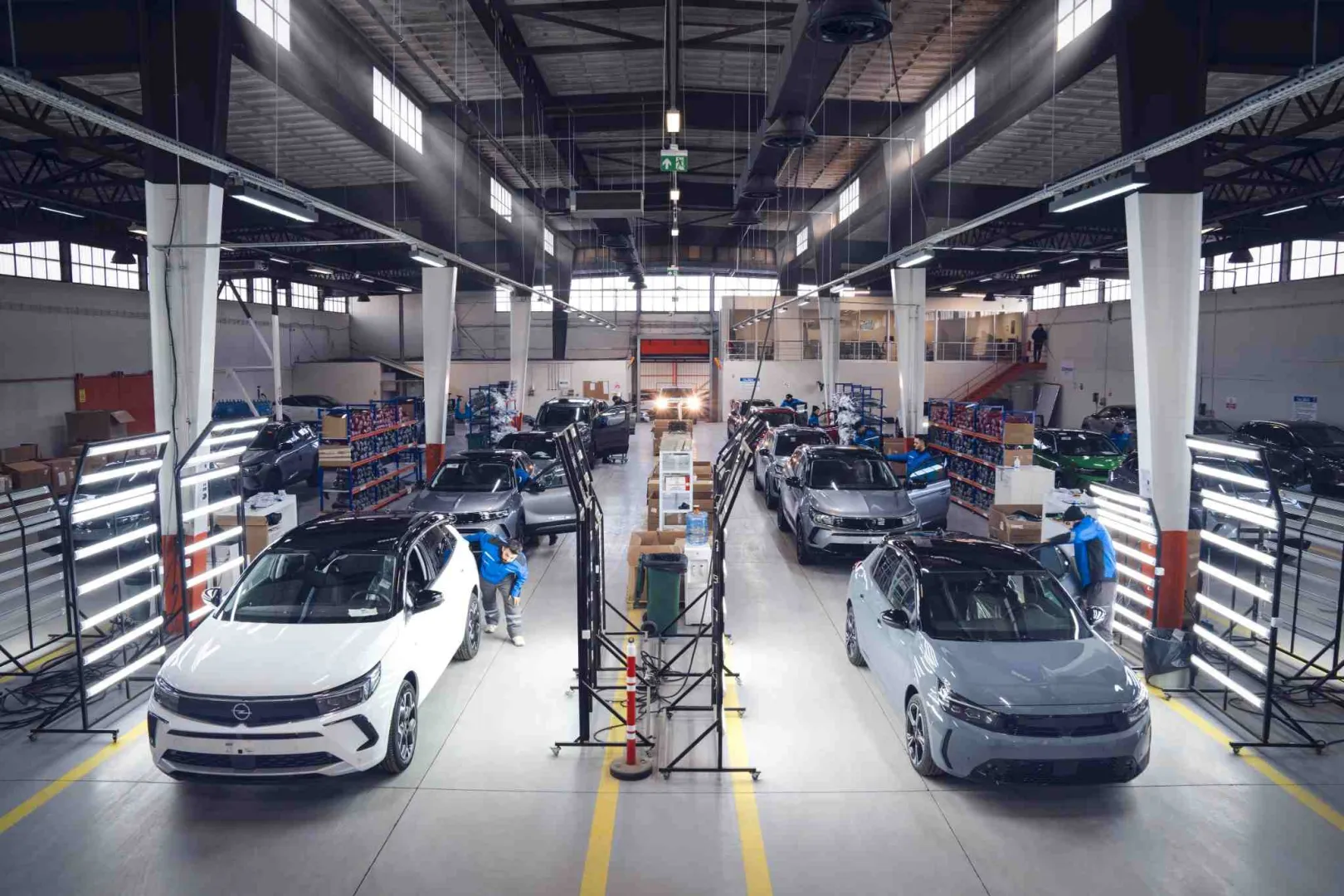
In vehicle logistics, PDI typically takes place at a dedicated PDI center located at or near the discharge port, where trained technicians work through manufacturer-specified checklists. Depending on the brand and destination market, the process may range from a basic visual and functional check to comprehensive technical preparation, including software updates, accessory fitting, and market-specific adjustments. Rather than an optional extra, PDI has become a standard stage in modern automotive logistics chains that connect global production hubs with regional distribution networks.
Why PDI Matters Before Vehicles Reach the Dealer or Customer?
A new vehicle is judged in the first few minutes of handover. A scratch on the bumper, a warning light on the dashboard, or a flat battery can undermine a customer's confidence in both the dealer and the brand, regardless of where the problem originated. Pre delivery inspection ensures that issues are identified and resolved before the vehicle reaches the showroom, not after.
For manufacturers and importers, PDI also creates a clear record of each vehicle's condition at a defined point in the supply chain. This documentation is essential for determining where any damage occurred, which party is responsible, and how a claim should be handled. Without it, disputes between carriers, terminals, and dealers become far more difficult and costly to resolve.
Common Checks Performed During a PDI Process
While exact checklists vary by manufacturer, most PDI processes cover a consistent set of core areas. A typical inspection begins with an exterior assessment of paintwork, glass, lights, wheels, and tires to detect scratches, dents, or chips that may have occurred during handling. Technicians then move to the interior, checking upholstery, trim, infotainment systems, and electrical functions.
Mechanical checks usually cover fluid levels, brakes, battery condition, and tire pressure, while diagnostic tools are used to read fault codes and confirm that onboard electronics are working correctly. Many PDI programs also include removal of transport protection films, fitting of accessories such as floor mats or wheel caps, and a final cleaning so that the vehicle is presented in showroom condition. For electric vehicles, battery state-of-charge checks and high-voltage system diagnostics have become an increasingly important part of the process.
How PDI Protects Vehicle Quality After Ro-Ro Transport?
Ro-Ro transport is widely regarded as one of the safest ways to move finished vehicles by sea, since units are driven on and off the vessel under their own power rather than lifted by crane. Even so, a long ocean voyage exposes vehicles to salt air, humidity, temperature variation, and extended periods of inactivity. Batteries may discharge, tires may develop flat spots, and minor handling marks can occur during loading, lashing, or discharge.
PDI shipping workflows address these risks directly. Inspecting vehicles immediately after discharge allows issues to be caught while they are still minor and easily traceable to a specific stage of the journey, and corrective work — battery recharging, paint touch-ups, or component replacement — can be completed before the vehicle enters the dealer network. The quality of the vessel itself also plays a role: a modern fleet with well-maintained decks, secure lashing points, and controlled loading procedures significantly reduces the likelihood of transit damage in the first place.
PDI as Part of UGR's Value-Added Logistics Services
For UGR Lines, ocean transport is only one part of a complete vehicle logistics solution. Integrating PDI with Ro-Ro transport allows manufacturers and importers to work with a single partner from the port of loading through to final handover, reducing the number of handoffs — and the number of points where accountability can become unclear.
UGR's PDI centers operate in line with manufacturer standards, combining inspection, technical preparation, and condition reporting within the same logistics chain that moves the vehicle across the ocean. This integrated approach complements UGR's broader range of services, giving customers greater visibility and control over each vehicle's journey and a single point of contact when questions arise.
How PDI Reduces Delivery Delays, Damage Claims, and Costs?
The commercial value of PDI extends well beyond vehicle presentation. Identifying defects at the PDI center rather than at the dealership prevents vehicles from being rejected on arrival, returned for repairs, or held in storage while responsibility is disputed. Each of these scenarios adds cost and pushes back the moment a vehicle can be registered and sold.
Detailed inspection records also streamline the damage claims process. When a vehicle's condition is documented with photographs and standardized reports at a specific point in the chain, claims can be settled faster and more fairly, with less administrative friction between carriers, insurers, and dealers. Over time, aggregated PDI data also helps manufacturers and logistics providers identify recurring damage patterns and refine handling procedures to prevent them.
For manufacturers and importers, the result is a delivery process that is faster, more predictable, and more cost-efficient. To learn more about UGR's PDI capabilities or to discuss how pre-delivery inspection can be integrated into your vehicle logistics chain, please contact our team directly.